
The historical evolution of casinos from ancient games to modern entertainment hubs
Origins of Gambling: Ancient Civilizations
The concept of gambling can be traced back to ancient civilizations, where games of chance were intertwined with culture and social practices. Archaeological evidence suggests that the Chinese played a form of gambling with tiles around 2300 BC, while dice dating back to 3000 BC have been found in Mesopotamia. These early games often held significant cultural and spiritual meanings, representing not just entertainment but also community bonding and ritualistic practices. For a contemporary take on gaming, visit https://wildchance-casino.com/, where players can explore various exciting options from the comfort of home.
In ancient Rome, gambling was prevalent among citizens, with various games enjoyed during public festivals. The Romans even had legal provisions governing gambling, highlighting its acceptance in society. As civilization progressed, these early games laid the groundwork for more structured forms of gambling that would eventually evolve into the casinos we recognize today.
Similarly, in ancient Egypt, gambling was associated with the gods, and the Egyptians played games like Senet, which included elements of chance. These practices illustrate how gambling was not merely a pastime; it was deeply embedded in the fabric of life, influencing social hierarchies and interactions within communities.
The Rise of Casinos in the Middle Ages
The Middle Ages marked a significant transition in the evolution of gambling, as the first formal casinos began to emerge in Europe. During this period, gaming houses appeared in Italy, specifically Venice, which played a crucial role in shaping modern casino culture. The establishment of the Ridotto in 1638 is often cited as the first government-sanctioned gambling hall, offering a variety of games in a controlled environment.
As the popularity of gambling grew, other European countries adopted similar establishments, each introducing unique games and regulations. France became a prominent hub for casinos, with establishments offering games like roulette and baccarat, which are still favorites today. This era not only highlighted the growing acceptance of gambling but also set the stage for the sophisticated gaming experiences that would define future casinos.
The influence of the aristocracy during this period cannot be overlooked. Many noble classes frequented these gaming houses, and gambling became a social activity tied to wealth and status. This connection further entrenched gambling in society, transforming it from a simple pastime into an essential element of social gatherings and entertainment.
Casinos in the Age of Enlightenment
The Age of Enlightenment saw a shift in attitudes towards gambling, with intellectuals and philosophers debating its moral implications. Despite mixed opinions, the period also witnessed the proliferation of casinos, especially in France and England. The introduction of more sophisticated games, such as the early versions of poker and blackjack, captivated the public's imagination, making gambling more accessible to the masses.
During this time, casinos began to adopt architectural grandeur and opulence, transforming into entertainment palaces that catered to high society. The Casino de Spa in Belgium, established in the 18th century, became a prototype for future gambling establishments. These venues not only offered games but also featured music, dining, and other forms of entertainment, signifying a shift toward a more holistic recreational experience.
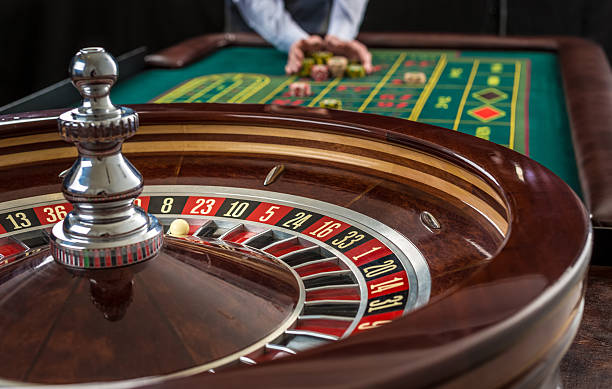
As gambling became a staple of European culture, it also sparked a wave of innovations in gaming equipment and technology. The invention of the roulette wheel in the late 18th century revolutionized casino gaming, providing players with new opportunities for excitement and winnings. This evolution was significant, as it made gambling a more dynamic and alluring experience, further entrenching casinos in the social fabric of the time.
Modern Casinos: The 20th Century Boom
The 20th century heralded a casino boom, particularly in the United States, where the legalization of gambling in Nevada in 1931 transformed Las Vegas into the gambling capital of the world. This era marked the birth of the mega-casino, featuring luxurious accommodations, fine dining, and extravagant entertainment options, appealing to a broader audience beyond seasoned gamblers.
Throughout the mid to late 20th century, casinos began to diversify their offerings, incorporating various forms of entertainment such as concerts, shows, and themed experiences. The glamour of Las Vegas attracted millions of visitors annually, leading to the expansion of casinos across the country and beyond. State governments recognized the potential economic benefits, resulting in the legalization of gambling in various states, creating new entertainment hubs.
In addition to Las Vegas, destinations like Atlantic City and Macau emerged as significant players in the casino landscape. These cities redefined the gambling experience, turning casinos into complex resorts that offered a complete package of entertainment. The evolution of casino culture during this period emphasized not just gambling but the overall experience, ensuring that visitors left with unforgettable memories.
Online Casinos: The Digital Revolution
The advent of the internet in the late 20th century ignited a new era in gambling, leading to the rise of online casinos. In the mid-1990s, the first online gambling sites emerged, allowing players to engage in their favorite games from the comfort of home. This development was revolutionary, as it provided unprecedented access to gambling for a global audience.
Online casinos have continued to evolve, with technological advancements enhancing gameplay. The integration of live dealer games, virtual reality, and mobile gaming applications has made it possible for players to enjoy a realistic casino experience anytime, anywhere. Furthermore, online platforms often offer exclusive bonuses and promotions, attracting a growing number of participants.
Despite concerns about responsible gambling, online casinos have implemented various measures to promote safe practices. By providing tools for self-exclusion and setting betting limits, these platforms strive to create a responsible gaming environment while catering to an ever-increasing audience. This blend of convenience, excitement, and accessibility has solidified the place of online casinos in the modern gambling landscape.

Wildchance Casino: A Modern Gaming Experience
Wildchance Casino exemplifies the evolution of gambling in the digital age, offering an exciting online gaming platform tailored for players in Australia. With a diverse array of thrilling games, users can experience the excitement of a casino from the comfort of their homes. The platform features exclusive bonuses designed specifically for Aussie players, enhancing the overall gaming experience.
One of the key highlights of Wildchance Casino is its mobile app, allowing users to play their favorite games on the go. This flexibility caters to modern lifestyles, ensuring that entertainment is just a tap away. Additionally, the casino prioritizes responsible gambling, providing dedicated support to create a safe environment for all players.
As casinos continue to evolve, platforms like Wildchance Casino represent the future of gaming. With a commitment to innovation and user satisfaction, they embody the spirit of modern entertainment, making gambling an engaging and enjoyable experience for players worldwide.